Not sure what bespoke website design actually means — or whether you need it? In this guide, we'll cover everything you need to know: what bespoke website design really means, what tools and technologies are involved, the difference between bespoke design and bespoke development, and — crucially — how much it's likely to cost you.
By the end, you'll have a clear picture of what kind of website your business actually needs and which solution is the right fit.
What Does "Bespoke Website Design" Actually Mean?
Bespoke simply means made to measure. In the world of websites, it means your site is designed and built specifically for your business — not based on a pre-made template that dozens of other companies are already using.
Think of the difference between buying a suit off the rack and having one made by a tailor. Both are suits. But one fits you perfectly, reflects your style, and is built to last. The other is a compromise.
A bespoke website is designed around your brand, your customers, and your goals — from the layout and visual identity, right down to the features and functionality.
But "bespoke" isn't a single thing. There are different levels of custom web design, and choosing the right one depends on what you need your website to do.
The 3 Levels of Bespoke Web Design
When we talk about bespoke web design services, we're not talking about one-size-fits-all. The degree of customisation — and the budget required — varies enormously depending on the platform and approach. Here's how it breaks down.
1. Web design platforms: super limited personalisation
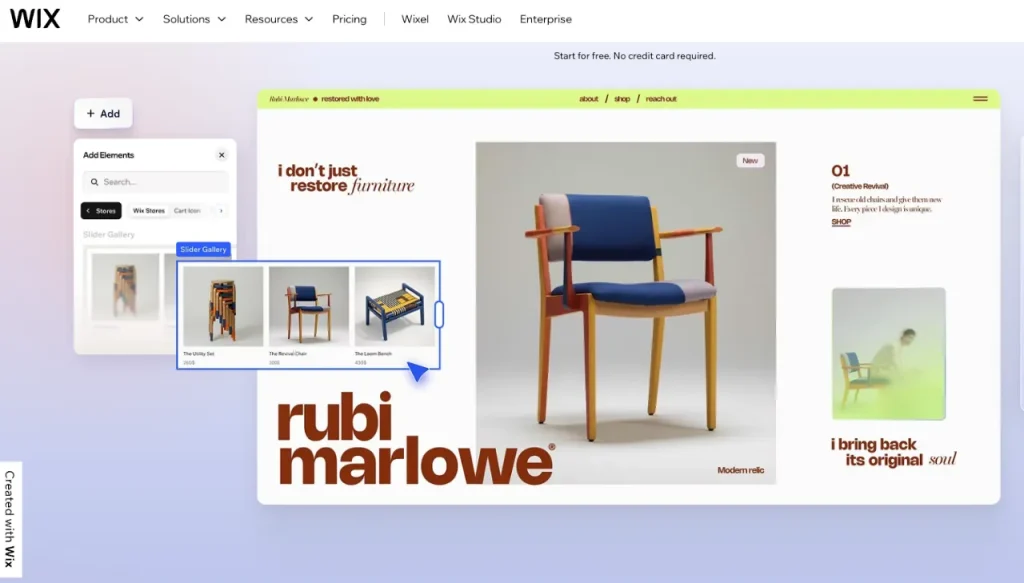
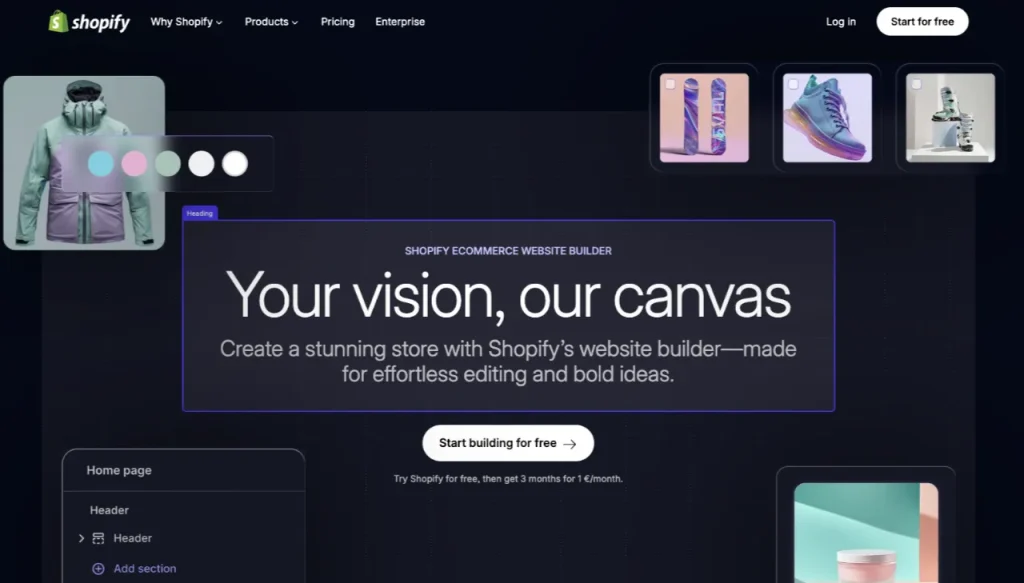
Platforms like Wix, Shopify, and Squarespace are ideal for getting online quickly and affordably. They offer drag-and-drop editors, ready-made templates, and built-in hosting. For a simple portfolio or a small hobby online shop with basic needs, they can absolutely do the job.
The trade-off, however, is flexibility. You're working within the constraints of the platform. Customising the design beyond what the template allows is difficult, sometimes impossible. Adding unique functionality requires workarounds or third-party apps that may not integrate cleanly. And as your business grows, you may find yourself hitting walls.
If your long-term vision involves anything beyond a standard website — a large product catalogue, a booking system, a members area, advanced SEO — you're likely to outgrow these platforms sooner than you'd expect.
Who this is for: Individuals, sole traders, or very small businesses who need a simple online presence quickly and on a tight budget.
2. WordPress: The Sweet Spot for Most Businesses
WordPress powers over 40% of all websites on the internet, and for good reason. It gives you enormous flexibility without requiring you to write a single line of code — though if you want to go further, the code is always there.

With WordPress, you can build virtually anything:
- Corporate website
- Portfolio
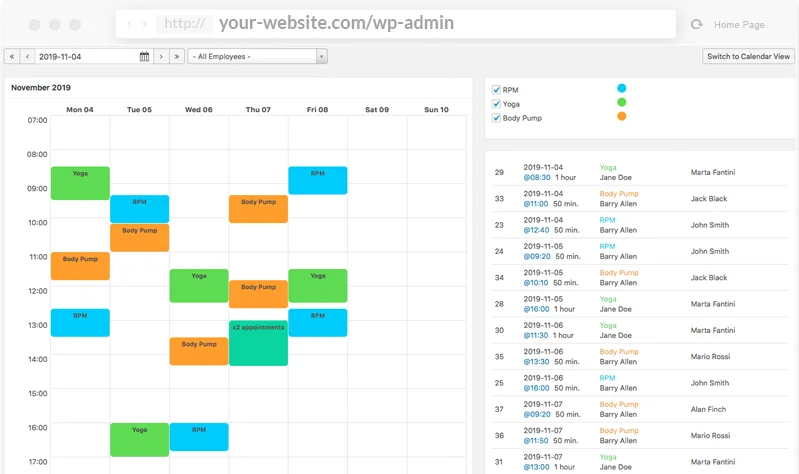
- Booking system
- Restaurant ordering platform
- Sophisticated e-commerce store.
- And much, much, much more...
Need customers to book a hotel room, rent a bike, reserve a table, or order food for delivery? All of that is achievable with WordPress.
What makes it particularly powerful for small and medium-sized businesses is the combination of professional-grade flexibility and practical usability. Page builders like Divi and Elementor allow you to create fully custom designs starting from a blank canvas — not a template — meaning your website can look completely unique without a developer having to write everything from scratch.
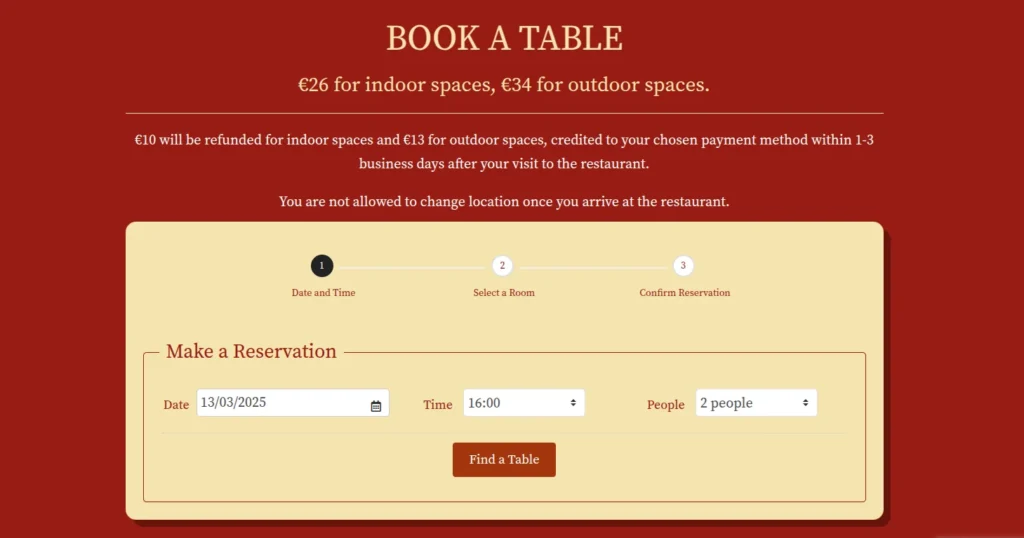
You or your team can also make updates, add pages, and manage content yourself once the site is live, without needing to call an agency every time something needs changing.
WordPress is also inherently scalable. You can start with a straightforward business website and grow it over time into a fully featured e-commerce platform as your business evolves.
As an example of what's achievable, we recently built buonriposo.it entirely from scratch on WordPress — a bespoke website for an agriturismo in Tuscany, with a content management system that the owners can manage themselves with ease.
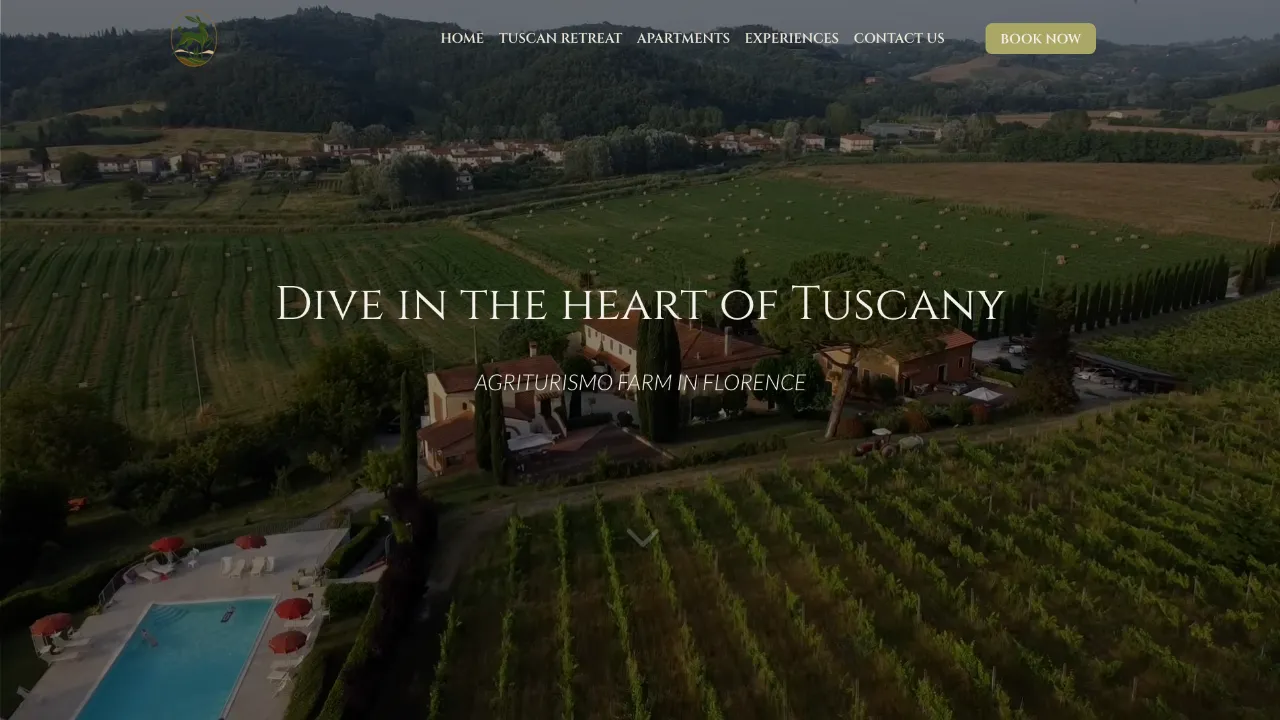
Who this is for: Professionals, small and medium-sized businesses, e-commerce brands, and anyone who needs a high-quality, scalable website with real flexibility — without the cost of a fully coded custom solution.
Wix or Shopify do not allow you to make such customisation and implement those kinds of features.
3. Custom Frameworks (Laravel, React, Vue): Full-Code, Fully Bespoke
At the far end of the spectrum are websites and web applications built entirely with code using frameworks such as Laravel, ReactJS, or VueJS. These are what most people would call truly bespoke web development.
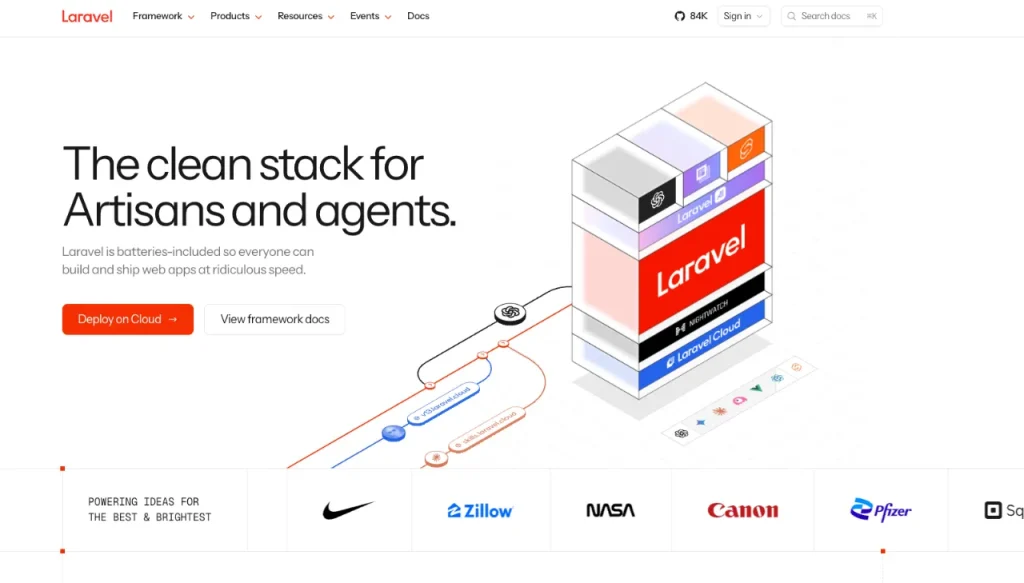
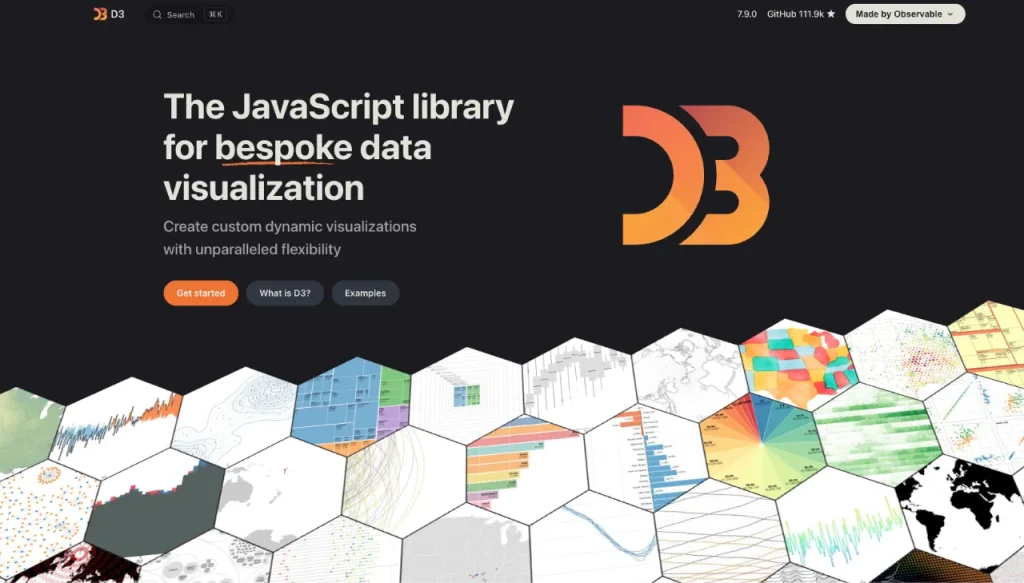
This approach is recommended when the project involves complexity that goes beyond what a CMS like WordPress is designed to handle. Think of platforms and applications where the structure, the data, and the user experience all need to be engineered from the ground up. Examples include:
- An AI-powered platform that uses Retrieval-Augmented Generation (RAG) to answer user queries based on a custom knowledge base
- A virtual try-on tool that lets online shoppers see how clothes look on them using their camera
- A financial analytics dashboarddisplaying complex live data, real-time charts, and stock indices
- A multi-user SaaS platform with subscription management, role-based access, and custom reporting
- An interactive mapping tool with advanced geolocation logic or route planning
- A custom internal management system built for a company's specific operational workflows
The reason these can't simply be built in WordPress isn't that WordPress is a poor platform — it's that WordPress is designed as a content management system. Its architecture is excellent for websites, but it's not built to serve as the backbone of a complex web application with thousands of concurrent users, heavy data processing, or deeply custom business logic.
Custom framework development also typically requires multiple professionals working together — a backend developer, a frontend developer, a UI/UX designer, a project manager — which is reflected in the investment required. If the project is not too large, a single full-stack developer can be enough.
To give you a sense of scale: an e-commerce website built on WordPress might cost around £5,000. The same functional scope built entirely with a custom framework could cost anywhere from £15,000 to £20,000 or more — and that's not including ongoing maintenance.
Who this is for: Startups building tech products, companies with highly specialised operational requirements, businesses developing SaaS platforms, and anyone whose idea cannot be delivered by an off-the-shelf CMS.
WordPress vs Custom Framework: Which One Do You Actually Need?
This is the question that matters most — because the difference in investment is significant, and choosing the wrong path from the start wastes time and money.
Here's a practical way to think about it.
Stick with WordPress if your project involves:
- A business or corporate website
- A portfolio or personal brand site
- An e-commerce store (even a large one with hundreds of products)
- A blog or content-driven publication
- A booking system for appointments, hotel rooms, bike hire, restaurant tables, or similar
- A membership or subscription area with standard features (gated content, newsletters, member profiles)
- A food delivery or local ordering platform
- Integration with tools like CRMs, email marketing platforms, or payment gateways
In all of these cases, WordPress — built properly and without cutting corners — will deliver an excellent, professional result at a fraction of the cost of a fully custom build.
Consider a custom framework if your project requires:
- Complex user registration flows with deeply custom logic
- AI or machine learning integrations (e.g. chatbots trained on your data, recommendation engines, visual AI tools)
- Real-time data processing (live stock prices, financial indices, sensor data)
- A platform where multiple types of users interact in different ways (e.g. buyers, sellers, and administrators all on the same system)
- Custom algorithms or computation logic beyond anything a plugin could handle
- Large-scale applications that need to serve thousands of simultaneous users with high performance requirements
- A product that is itself a software service — i.e. the website IS the product
The honest truth is that the variables are almost impossible to classify in a generic article. Every project has its own nuances. The best way to understand which solution fits your specific idea is to have a conversation — not a sales call, just a discovery call — where we listen to what you're trying to build and tell you clearly what makes sense.
What Does Bespoke Web Design Actually Cost?
One of the most common questions we get — and understandably so.
The honest answer is: it depends. But here are some realistic ballpark figures to give you a sense of what to expect.
WordPress websites:
- Simple business or portfolio site: from £1,500 to £3,500
- WordPress site with custom design and advanced functionality (bookings, e-commerce, memberships): £3,500 to £6,000+
- Large-scale WordPress e-commerce or multi-feature platform: £8,000 to £15,000+
Custom framework web applications:
- Standard web application with core features: from £6,000 to £20,000
- Complex platform with AI, real-time data, or multi-user architecture: £20,000 to £50,000+
These figures vary depending on the scope of the project, the number of features, the level of design detail, and the team involved. Ongoing maintenance and hosting are separate considerations.
What doesn't change is the principle: a bespoke website is an investment in your business. Done well, it pays for itself through better conversions, stronger brand credibility, and a platform that scales with you rather than holding you back.
Bespoke Website Design VS Development
These two terms are often used interchangeably, but they refer to different — though closely related — things.
Bespoke website design refers to the visual and user experience side of building a website: the layout, the colour palette, the typography, the way information is structured on the page, and how users interact with it. A bespoke design is created from scratch for your brand — not adapted from a theme or template.
Bespoke website development refers to the technical implementation: the code that makes the design work, the backend systems that handle data, the integrations with external services, and the logic that powers any features or functionality.
In most professional projects, good design and solid development go hand in hand. A beautiful website that's poorly coded will be slow, insecure, and difficult to maintain. A well-coded site with generic design won't communicate your brand effectively or convert visitors into customers.
When you commission bespoke web design services from an agency, you should expect both: a design crafted specifically for your business, and development that delivers it to a professional standard.
Why Does a Bespoke Website Outperform a Template?
It's a fair question — after all, plenty of template-based websites look decent enough. So why go bespoke?
Here are the most important reasons:
Your brand is unique — your website should be too. A template is designed to work for everyone, which means it's optimised for no one. A bespoke design reflects your specific brand values, speaks to your exact audience, and differentiates you from competitors who may be using the same theme.
Better performance. Bespoke WordPress builds are typically leaner than template-based sites, which often come bloated with code for features you'll never use. A well-built custom site loads faster, and page speed is a confirmed ranking factor for Google.
Built for SEO from the ground up. A bespoke site can be structured with your SEO strategy in mind from day one — proper heading hierarchy, schema markup, clean URLs, and a technical foundation that gives your content the best possible chance of ranking.
Scalability. As your business grows, your website needs to grow with it. A bespoke site is built with your future needs in mind, not the limitations of a pre-existing template.
You own it entirely. No dependency on a theme developer who may stop updating their product. No risk of your website breaking every time a plugin updates. Just clean, maintainable code that belongs to you.
Common Questions About Bespoke Web Design Services
Do I need to know how to code to manage my bespoke WordPress website? Not at all. One of the key advantages of WordPress, especially when built with page builders like Elementor or Divi, is that day-to-day content updates — adding pages, editing text, uploading images — can be done entirely through a visual interface that anyone can learn in a few hours.
How long does a bespoke website take to build? A professional WordPress website typically takes between four and ten weeks from kick-off to launch, depending on complexity. A custom framework web application can take anywhere from three to twelve months, depending on scope.
Can I migrate my existing website to a bespoke build? Yes. We work with clients who want to redesign and rebuild existing sites. Your content, domain, and SEO history can all be preserved throughout the migration.
Will a bespoke website help me rank on Google? A bespoke website, built with proper technical SEO foundations, gives you a significant advantage over a cheap template site. It won't guarantee rankings on its own — content quality, backlinks, and ongoing SEO work all matter — but it gives your content the best possible platform to perform on.
Who owns the website once it's built? You do. Always. The code, the design, the domain, and the content belong to you.
Ready to Get a Website That's Built for Your Business?
If you've made it this far, you probably have a clearer sense of what your project needs — and perhaps a few more questions. That's completely normal.
The best next step isn't filling in a form and waiting for a quote. It's a short, informal conversation where we listen to your idea, ask the right questions, and give you honest advice on what the right solution looks like — whether that's WordPress, a custom build, or something in between.
There's no obligation, no hard sell. Just a straight conversation between people who build websites for a living and someone who wants to get one done properly.
Book a free discovery call today, or fill in the form below and we'll be in touch to plan your project.